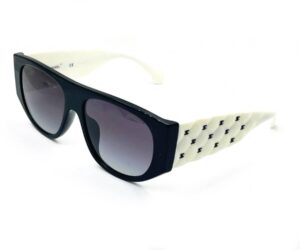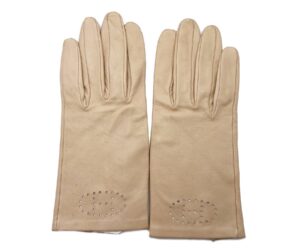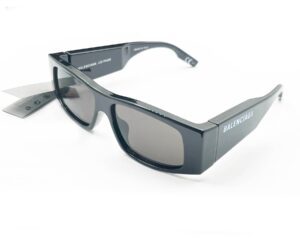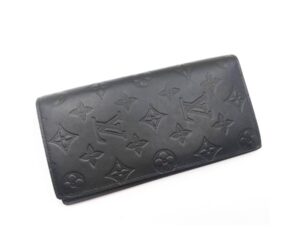
Vintage designer goods have become increasingly popular, with fashion enthusiasts and collectors seeking unique and rare pieces from decades ago. These items are often considered valuable for their unique design, high-quality materials, and the history and stories behind them. Many collectors also seek out antiques for their historical and valuable qualities, often finding them through online shopping platforms, auctions, and specialized stores that curate vintage and antique items.
One of the most significant advantages of buying vintage designer goods is that they offer a sustainable, environmentally friendly alternative to buying new items. Purchasing vintage items gives pre-loved items new life, reducing the fashion industry’s environmental impact.
Another benefit of buying vintage designer goods is that they offer a way to add unique and individual pieces to your wardrobe or collection that cannot be found in stores. Vintage items can help you stand out from the crowd and add character to your personal style.
In addition to their uniqueness and sustainability, vintage designer goods can be a wise investment. Rare and hard-to-find items can appreciate in value over time, making them a valuable addition to any collection.
Whether you shop online or at a vintage store in San Francisco, buying vintage designer goods can add unique and rare pieces to your collection, support sustainability, and make an intelligent investment. By understanding the importance and benefits of buying vintage, you can make informed decisions when shopping for these unique and valuable items. The thrill of discovering vintage finds—each with its own story—can add personality and charm to your collection.
Understanding Vintage Designer Goods
Vintage designer goods are considered valuable items with a history and story. In general, vintage goods are at least 20 years old, though this can vary by item and industry. Regarding designer goods, vintage items can be particularly valuable due to their rarity and unique design.
Consider buying vintage designer goods for several reasons. Firstly, buying vintage is an excellent way to add unique pieces to your wardrobe that are not readily available in stores. Vintage items can add character and individuality to your personal style. Familiar designs or imagery found in vintage items can also evoke nostalgia and a sense of emotional connection, making these pieces even more meaningful.
Secondly, buying vintage designer goods can be more sustainable and environmentally friendly than buying new items. When you buy vintage, you are giving new life to an existing item, which can help reduce the fashion industry’s environmental impact.
Finally, vintage designer goods can also be a wise investment. Rare or hard-to-find vintage items can appreciate in value over time, making them a valuable addition to any collection. Additionally, buying vintage designer goods can be a way to get high-quality items at a more affordable price than buying new ones.
There are several advantages to buying vintage designer goods, including their uniqueness, sustainability, and potential investment value. By understanding what is considered vintage and the benefits of buying vintage, you can make informed decisions when shopping for vintage designer goods.
The Benefits of Shopping Vintage
Shopping vintage is more than just a way to find unique decor—it’s a lifestyle that brings character, history, and sustainability into your home. Vintage furniture and decor pieces instantly elevate any room, offering a sense of individuality that mass-produced items from a big box store simply can’t match. Whether you’re drawn to the ornate craftsmanship of the Victorian era or the sleek lines of mid-century modern design, vintage shopping allows you to curate a space that tells your story.
One of the greatest joys of vintage shopping is the thrill of the hunt. Browsing antique shops, thrift stores, or scrolling through online marketplaces like eBay and Facebook Marketplace, you never know what rare treasures you’ll uncover. Each vintage piece comes with its own history, adding depth and intrigue to your collection. For collectors, these stories are just as valuable as the items themselves.
Choosing vintage is also an environmentally friendly way to furnish your home. By giving new life to pre-loved furniture and decor, you help reduce the demand for new, resource-intensive products. Many vintage pieces, especially those crafted in earlier time periods, were made with superior materials and attention to detail, ensuring they stand the test of time.
Whether you’re searching for a statement coffee table, a decorative lamp, or a set of porcelain cups, vintage shopping offers endless opportunities to find rare and eye-catching pieces. The world of vintage is vast, and every visit to a store or marketplace is a new adventure—one that can transform your space and connect you to the past in meaningful ways.
What to Look for When Buying Vintage Designer Goods
Several factors must be considered when buying vintage designer goods to ensure a good deal and a high-quality item. Here are some key things to look for when shopping for vintage designer goods:
Authenticity: One of the most important factors to consider when buying vintage designer goods is authenticity. With the rise of counterfeit designer items, it’s essential to research and ensure that the item you purchase is authentic. Look for details such as the designer’s logo, stitching, and hardware, and compare them to known authentic pieces to confirm the item’s authenticity.
Condition of the item: Another critical factor to consider when buying vintage designer goods is the item’s condition. Vintage items may have wear and tear, but you want to ensure that your price reflects the condition. Look for signs of damage, such as tears or stains, and consider whether the item can be repaired or restored.
Rarity: Another crucial factor when buying vintage designer goods. Rare or hard-to-find items can be more valuable and may appreciate over time. Consider researching the item’s history and production to understand its rarity.
Age: The item’s age can also affect its value and condition. Older items may have more wear and tear, but they may also be considered more valuable due to their age and history.
Brand reputation: Another essential factor when buying vintage designer goods. Look for brands with a history of high-quality craftsmanship and design, and those that have stood the test of time.
Materials used: The materials used in the item’s construction can also impact its value and condition. Look for high-quality materials like leather, silk, or cashmere that hold up over time and retain their value. Pay special attention to items made from metal or wood, as these materials often showcase unique craftsmanship and have historical significance in vintage pieces.
Style and design: These factors are also essential when buying vintage designer goods. Look for classic styles that have stood the test of time and unique or rare designs that may be more valuable. The shape of vintage items can greatly contribute to their unique appeal and collectible value, so consider how the form and silhouette add to the item’s overall charm.
Price: Finally, consider the item’s price. Depending on the above factors, vintage designer goods can vary significantly in price. Ensure you get a fair price for the item that reflects its condition, rarity, and brand reputation.
By considering these factors when buying vintage designer goods, you can ensure you get a high-quality item that is worth your money.
Best Vintage Designer Brands to Invest In
Investing in vintage designer brands can be wise for fashion enthusiasts and collectors. While there are many brands to choose from, some are particularly valuable and sought after for their unique designs, high-quality materials, and reputation in the fashion industry.
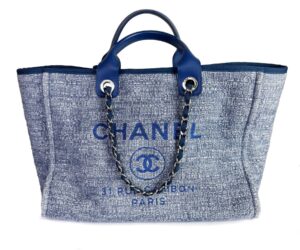
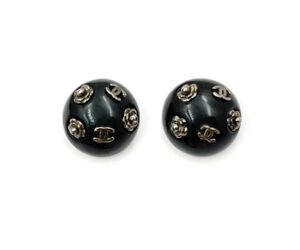
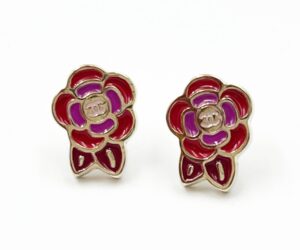
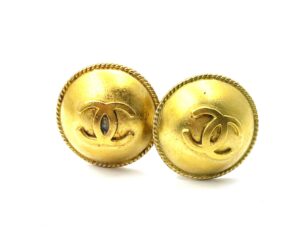
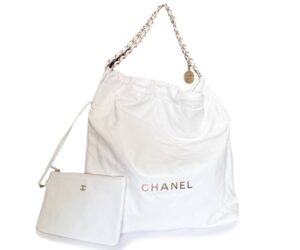
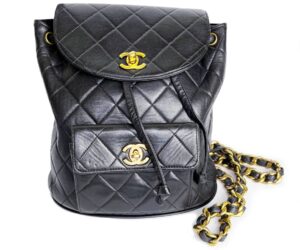
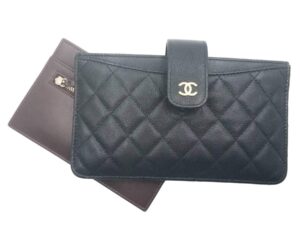
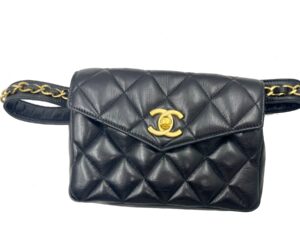
One of the most popular vintage designer brands to invest in is Chanel. Founded in 1909, Chanel is known for its timeless and elegant designs, particularly its iconic quilted handbags. Vintage Chanel items, such as handbags and clothing, are highly sought after and can appreciate in value over time.
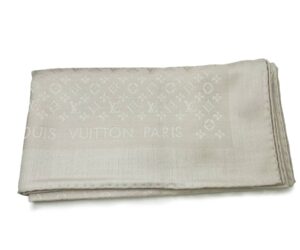
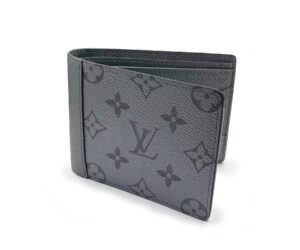
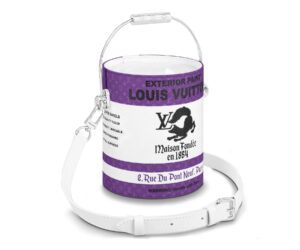
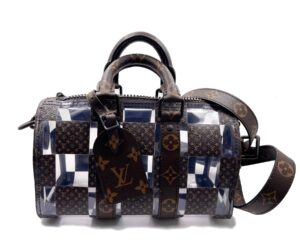
Louis Vuitton, founded in 1854, is known for its luxury leather goods, including its iconic monogrammed handbags. Vintage Louis Vuitton items are highly valued due to their high-quality materials and timeless design.
Gucci is a world-famous brand for vintage collectors with a history dating back to 1921. Known for its bold, iconic designs, vintage Gucci items are highly sought after and can be valuable additions to any collection.
Saint Laurent is popular among vintage collectors. Founded in 1961, Saint Laurent is known for its sleek and sophisticated designs, particularly its iconic tuxedo suit. Vintage Saint Laurent items are highly valued for their unique designs and high-quality materials.
Dior, founded in 1946, is known for its feminine and elegant designs, particularly its iconic “New Look” silhouette. Vintage Dior items, such as dresses and handbags, are highly sought after and can be valuable to any collection.
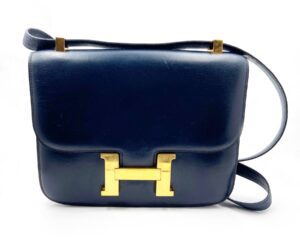
Finally, Hermes is a brand gaining popularity among vintage collectors. Known for its high-quality leather and luxury goods, Hermes has a reputation for timeless and elegant designs that can appreciate in value over time.
Overall, these six brands are among the best vintage designer brands to invest in, with a history of high-quality materials and unique designs that make them valuable additions to any collection.
How to Identify Authentic Vintage Designer Goods
One of the biggest concerns when buying vintage goods is ensuring the items are authentic. With so many knockoffs and reproductions on the market, it can be difficult to tell whether a vintage item is authentic. However, there are a few key steps you can take to help identify authentic vintage designer goods.
The first step is to research the brand. Familiarize yourself with the brand’s history and details, including the materials they use, the construction techniques they employ, and any specific design details or characteristics. This can help you spot inconsistencies or inaccuracies that might indicate an item is fake.
Next, examine the materials and construction of the item. Authentic vintage designer goods are typically made with high-quality materials and construction techniques that ensure lasting durability. Look for signs of wear and aging, such as fading or patina, consistent with the item’s age. Be wary of items that appear brand-new or show no signs of wear, as they may not be authentic.
Check for labels and tags that indicate the brand and the country of origin. Many designer brands include specific details on their labels and tags that can help you identify whether an item is authentic. Look for labels consistent with the time period when the item was produced, and be wary of items with modern labels or tags that do not match the item’s age.
Finally, look for specific details and characteristics of the brand or designer. This might include signature patterns, logos, or design elements unique to the brand. Be wary of items with incorrect or inconsistent details, as they may not be authentic.
Identifying authentic vintage designer goods can be a challenge, but by doing your research, examining the materials and construction, checking for labels and tags, and looking for specific details and characteristics, you can increase your chances of finding the real deal.

How to Care for Your Vintage Designer Goods
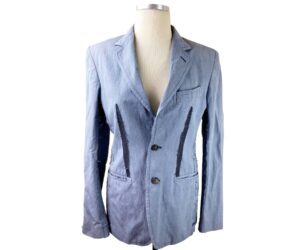
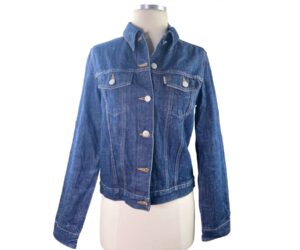
Vintage designer goods require special care and attention to maintain quality and value. Whether you have a vintage designer bag, clothing, or accessory, it’s essential to take good care of them to keep them looking their best. Here are some tips for cleaning and maintaining your vintage designer goods:
Research before cleaning: Before you start cleaning your vintage designer goods, research the appropriate cleaning methods for the specific material and type of item you have. Some materials, such as leather or silk, require special care to prevent damage.
Use gentle products: When cleaning your vintage designer goods, use products designed for the material. Avoid harsh chemicals or abrasive cleaners, as they can damage the item.
Clean regularly: Regular cleaning can help prevent dirt and grime buildup, which can cause discoloration or damage over time. However, be sure not to over-clean, as this can damage the item.
Store properly: Proper storage is also essential for maintaining the quality of your vintage designer goods. Store items in a cool, dry place away from direct sunlight and moisture. Use dust bags or acid-free tissue paper to protect items from dust and light.
Avoid using in wet conditions: If you have a vintage bag or accessory, avoid using it in wet conditions, as water can damage the material and cause stains.
Seek professional help: If you’re unsure about how to clean or care for your vintage designer goods or if you have a particularly delicate or valuable item, consider seeking professional help. A professional cleaner or restoration service can help you safely clean and restore your item.
Taking good care of your vintage designer goods is essential for preserving their quality and value. Following these tips for cleaning and maintaining your items, storing them properly, and seeking professional help, you can keep your vintage designer goods looking their best for years.
How to Build Your Vintage Designer Goods Collection
Building a collection of vintage designer goods can be a fun and rewarding hobby. Not only do vintage items have a unique history and character, but they can also add a touch of personality and style to your wardrobe or home. Here are some tips for building your vintage designer goods collection:
Start with a focus: To build your collection, choose a theme or focus. For example, you might focus on a particular brand, era, or type of item, such as vintage handbags, watches, or furniture.
Set a budget: Vintage designer goods can vary widely in price, so it’s essential to set a budget and stick to it. Consider shopping around to find the best deals and bargains, and be patient as you build your collection over time.
Shop at a variety of sources: To find the best vintage designer goods, shop at a variety of sources, including vintage stores, online marketplaces, thrift stores, and flea markets. Do your research and check the authenticity of items before purchasing.
Curate a personal style: One of the benefits of collecting vintage designer goods is that you can create a unique style that reflects your individual taste and personality. Mixing and matching vintage items with modern pieces creates a look that’s all yours. Thoughtfully displaying your vintage designer goods can enhance their visual appeal and highlight each piece’s uniqueness.
Take good care of your collection: To ensure your vintage designer goods last for years, properly care for them. Follow proper storage and maintenance practices, and consider seeking professional help if you have a particularly delicate or valuable item. Also, consider the space available in your home to ensure your collection is both accessible and visually balanced.
Building a collection of vintage designer goods can be a fun and rewarding hobby, allowing you to express your style and appreciation for unique and historical items. You can create a truly one-of-a-kind collection by following these tips for building your collection, shopping at various sources, and curating a personal style with vintage designer goods.
Where to Shop for Vintage Designer Goods
Shopping for vintage designer goods is more than just a transaction—it’s an adventure filled with the thrill of the hunt and the promise of discovering rare vintage pieces that tell great stories. Whether you’re searching for a statement piece of vintage fashion, a unique coffee table, or eye-catching home furnishings, there are countless places to shop vintage and uncover hidden gems.
Thrift Stores and Hidden Gems
Thrift stores are a fantastic starting point for anyone looking to dive into the world of vintage. These stores are often packed with a diverse selection of vintage clothing, accessories, and even vintage furniture from different time periods. With a bit of patience and a keen eye, you might stumble upon a rare Victorian-era brooch, a mid-century modern chair, or a designer dress in great condition. The key is to visit regularly, as inventory changes often, and to enjoy the process—the thrill of the hunt is half the fun! Thrift stores are a great place for both seasoned collectors and newcomers to find unique vintage items that add charm and character to any room or wardrobe.
Flea Markets and Antique Finds
Flea markets and antique shops are treasure troves for vintage enthusiasts and collectors. These bustling marketplaces bring together sellers offering everything from antique finds like brass candlesticks and porcelain cups to vintage jewelry, clothing, and decorative art. Each booth or table is an opportunity to discover rare and eye-catching pieces, whether it’s a handmade mug, a Victorian-era wall mirror, or a one-of-a-kind piece of vintage furniture. Flea markets are especially popular for those seeking rare items and architectural digest-worthy home decor, making them a must-visit for anyone passionate about vintage shopping and collecting.
Online Vintage Shopping Platforms and Facebook Marketplace
For those who prefer to shop from the comfort of home, online vintage shopping platforms open up a world of possibilities. Websites like eBay, Etsy, and 1stdibs connect buyers with sellers from around the globe, offering an extensive selection of vintage designer goods, from clothing and jewelry to home furnishings and art. Facebook Marketplace is another excellent resource, where local sellers often list unique vintage items at competitive prices.
For example, you might find a rare Louis Vuitton trunk, a set of mid-century modern tables, or a collection of vintage mugs—all just a click away. Online vintage shopping makes it easy to search for specific pieces, compare prices, and connect with reputable sellers, making it a great option for both casual shoppers and serious collectors.
Pricing and Negotiation for Vintage Designer Goods
Navigating the world of vintage designer goods means understanding that pricing can vary widely based on rarity, condition, and demand. Knowing how to research, evaluate, and negotiate is essential for making smart purchases and building a collection of rare finds.
Start by researching the vintage item you’re interested in—look up similar products featured on reputable vintage shopping sites, check recent sales on eBay or Etsy, and read up on the item’s history and time period. This will give you a sense of the fair market price and help you spot a great deal when you see one.
Next, inspect the item carefully. Whether you’re shopping in a vintage store, at a flea market, or on Facebook Marketplace, check for signs of wear, repairs, or missing parts. Factor these into your price expectations, as items in good condition or with original features often command higher prices.
When negotiating, approach sellers with respect and curiosity. Ask about the item’s story, provenance, and any restoration work. Sellers with expertise and a good reputation are usually open to reasonable offers, especially if you demonstrate knowledge and genuine interest. Don’t be afraid to walk away if the price doesn’t match the item’s value or your budget—sometimes, patience pays off, and another rare piece will come along.
Finally, consider the seller’s reputation, especially when shopping online. Look for reviews, ratings, and return policies to ensure you’re dealing with trustworthy sellers who accurately represent their vintage items.
By combining research, careful inspection, and respectful negotiation, you can confidently shop vintage and add unique, high-quality pieces to your collection—often at prices that beat any big-box store. The thrill of finding that perfect vintage item, whether it’s a piece of jewelry, a coffee table, or a dress, is all part of the fun and charm of the secondhand market.
Budgeting for Vintage Shopping
When it comes to vintage shopping, setting a budget is key to making the most of your search and finding items that fit both your style and your wallet. Prices in the vintage world can range from affordable gems at flea markets to rare, high-end pieces in specialized stores, so it’s important to know your limits before you start hunting.
Begin by deciding how much you’re willing to spend on each type of item, whether it’s vintage furniture, clothing, or decorative accessories. Some pieces, like antique tables or rare collectibles, may require a larger investment, while others—such as vintage jewelry or clothing—can often be found at more accessible prices. Online platforms like Etsy and local vintage stores offer a wide variety of options, making it easier to compare prices and find something that matches your budget.
Patience is essential in the world of vintage shopping. The perfect piece might not appear right away, so be flexible with your expectations and open to exploring different time periods or styles. Sometimes, the best vintage finds come when you least expect them, and being adaptable can lead to discovering rare treasures you hadn’t considered.
Remember, the value of a vintage item isn’t just in its price tag—it’s in the story, craftsmanship, and charm it brings to your collection. By budgeting wisely and approaching your search with patience and curiosity, you’ll enjoy the process and build a collection of vintage items that truly reflect your taste and personality.
How to Shop for Vintage Designer Handbags
Vintage designer handbags are a stylish and sustainable addition to any fashion lover’s collection. They offer a unique combination of history, luxury, and functionality that cannot be found in modern bags. If you are considering buying a vintage designer handbag, here are some tips to help you make the most of your shopping experience.
Many collectors also choose to sell their vintage handbags through online platforms or consignment stores, making it easy to refresh their collection or invest in new pieces.
Advantages of buying vintage designer handbags:
Unique and Rare: Vintage designer handbags are often one-of-a-kind, with rare designs and limited availability. Owning a vintage handbag can be a great way to express your personal style and stand out from the crowd.
Quality and Durability: Vintage designer handbags are often made from high-quality materials and constructed with meticulous attention to detail, making them durable and long-lasting.
Cost-effective: Buying a vintage handbag can be a cost-effective way to own a high-end designer item. Vintage bags are often priced lower than their modern counterparts, allowing you to own a luxury item without breaking the bank.
Tips for shopping for vintage designer handbags:
Do Your Research: Before purchasing, research the brand, style, and era of the handbag you are interested in. This will help you make an informed decision and avoid purchasing a fake or inauthentic bag.
Check for Authenticity: Always look for authenticity marks, such as the brand logo, tags, or serial number. Inspect the stitching, hardware, and materials to ensure compliance with the brand’s standards.
Shop from a Trusted Seller: Shop from reputable sellers, such as vintage stores or trusted online retailers, to ensure you purchase a genuine product.
Best vintage designer handbag brands to invest in:
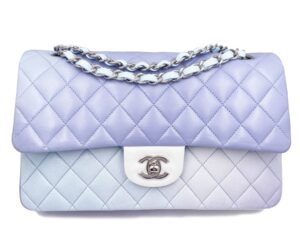
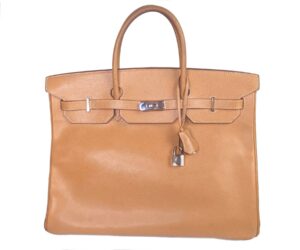
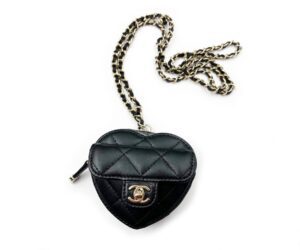
Chanel: A timeless brand producing high-quality handbags for decades. Their classic flap bags and 2.55 bags are highly sought after by collectors.
Louis Vuitton: Another classic brand, it produces luxury handbags that stand the test of time. Their iconic Speedy and Alma bags are an excellent investment for any collector.
Gucci: A famous brand known for handbags with unique designs and bold colors. Collectors highly covet their Jackie and Bamboo bags.
Shopping for vintage designer handbags can be a rewarding experience. By following these top secondhand tips and investing in high-quality brands, you can own a unique and stylish accessory that will last a lifetime.
How to Shop for Vintage Designer Jewelry and Accessories
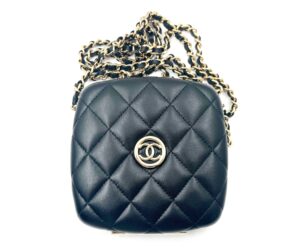
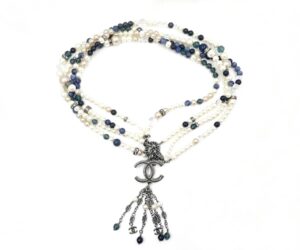
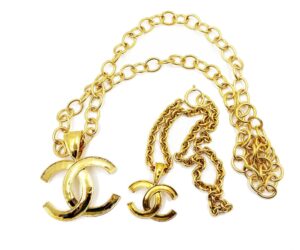
Vintage designer jewelry and accessories are timeless pieces that can add character and charm to any outfit. Whether you are looking for a statement necklace, a pair of vintage earrings, or a classic designer scarf, shopping for vintage jewelry and accessories can be an exciting experience.
Many online platforms specializing in vintage jewelry and accessories also facilitate the sale of antiques, making it easy for collectors to browse, buy, or sell unique pieces.
In this article, we will explore the advantages of buying vintage designer jewelry and accessories, provide tips for shopping for these items, and suggest some of the best vintage designer jewelry and accessory brands invest in.
Advantages of Buying Vintage Designer Jewelry and Accessories:
Unique and Rare: Vintage designer jewelry and accessories are often one-of-a-kind or limited edition pieces that are no longer produced. Owning a vintage designer piece allows you to stand out from the crowd and showcase your personal style.
Quality and Craftsmanship: Vintage designer pieces are often crafted with high-quality materials and exceptional craftsmanship. This means they are built to last and will often hold their value over time.
Investment Opportunity: Vintage designer jewelry and accessories can be valuable investments that appreciate in value over time. Some pieces may even increase in value exponentially if they become rare or sought after by collectors.
Tips for Shopping for Vintage Designer Jewelry and Accessories:
Research: Before shopping, research the brands and pieces you are interested in. Learn about the materials and designs the brand uses and look for distinctive characteristics that set them apart from imitations.
Condition: Inspect the vintage piece thoroughly. Look for signs of wear, damage, or discoloration that may affect the piece’s value. Remember that some wear and tear may be expected in vintage pieces.
Authenticity: Verify the piece’s authenticity before making a purchase. Look for identifying marks, logos, or signatures associated with the brand. Research the piece’s history to ensure it aligns with the brand’s time period and materials.
Best Vintage Designer Jewelry and Accessory Brands to Invest In:
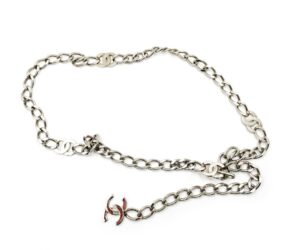
Chanel: Known for its timeless elegance, Chanel jewelry and accessories are highly sought after by collectors. Look for classic pieces like the Chanel 2.55 bag or the iconic Chanel logo earrings.
Christian Dior: Dior is known for its bold and innovative designs, often reflected in its jewelry and accessory collections. Look for vintage Dior scarves, brooches, and handbags.
Gucci: A leading luxury fashion brand for decades. Vintage Gucci jewelry and accessories are highly collectible, with classic pieces such as the Gucci Horsebit bracelet and the GG logo belt.
Shopping for vintage designer jewelry and accessories is a great way to add unique and valuable pieces to your collection. By doing your research and following these tips, you can ensure that you make a wise investment in a high-quality vintage designer piece that will stand the test of time.
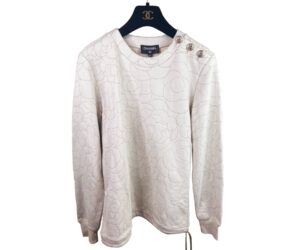
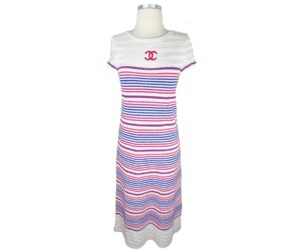
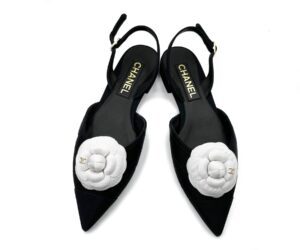
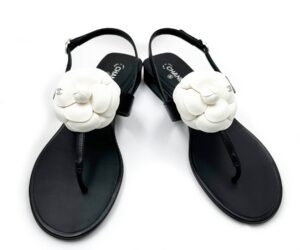
How to Shop for Vintage Designer Clothing and Shoes
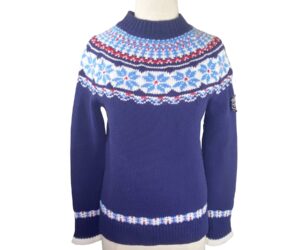
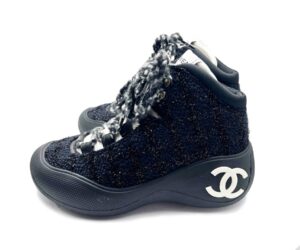
When building a unique and timeless wardrobe, vintage designer clothing and shoes are a great addition. Many vintage clothing items, especially those from the World War II era, were crafted from the last available materials, such as metal or fabric, due to rationing, which adds to their historical significance. Vintage designer pieces can add a touch of class and sophistication to any outfit. However, shopping for vintage clothing and shoes can be intimidating for those new to the process. Here are some tips and advantages when shopping for vintage designer clothing and shoes.
Advantages of buying vintage designer clothing and shoes:
Unique Style: One of the most significant advantages of buying vintage designer clothing and shoes is their unique style. You won’t find the same designs or patterns trending in the market.
Quality: Vintage designer clothing and shoes are known for their quality construction and materials, which means they will likely last longer than modern pieces.
Eco-Friendly: Shopping for vintage designer clothing and shoes is an eco-friendly way to build your wardrobe, as it reduces the need to produce new items.
Tips for shopping for vintage designer clothing and shoes:
Research: Research the era you’re interested in and the famous designers. This can help you understand the styles and materials shared in that era.
Check for Wear and Tear: When shopping for vintage clothing and shoes, inspect them carefully for signs of wear. Look for stains, holes, and missing buttons. Some wear and tear can add character to the piece, but be cautious of significant damage.
Try it On: Vintage sizing can vary widely from modern sizing, so it’s essential to try on the piece before purchasing. Make sure to check the fit and look for any areas that may need alterations.
Best vintage designer clothing and shoe brands to invest in:
Chanel: Chanel’s timeless designs and high-quality materials make it a sought-after brand among vintage shoppers.
Gucci: Gucci’s bold and colorful designs are popular among vintage shoppers.
Christian Dior: Christian Dior’s feminine and elegant designs are a favorite among vintage enthusiasts.
Salvatore Ferragamo: Ferragamo’s shoes are known for their high-quality materials and timeless designs.
Hermes: Hermes is known for their luxury leather goods, including shoes, handbags, and belts.
By following these tips and considering these advantages, you can build a beautiful vintage designer clothing and shoe collection that will last for years.
Vintage Collectibles to Look For
The world of vintage collectibles is rich with possibilities, offering something for every collector and enthusiast. If you’re looking to start or expand your collection, consider exploring a variety of vintage furniture and decorative pieces that can add both charm and history to your space.
Vintage coffee tables, for example, are highly sought after for their unique shapes, materials, and craftsmanship. Whether you prefer the ornate details of the Victorian era or the clean lines of mid-century modern design, antique shops and online marketplaces are great places to search for these statement pieces. Alongside tables, you’ll find a wide array of vintage furniture—desks, chairs, and cabinets—that can transform any room into a showcase of style and history.
Decorative collectibles like vintage mugs, porcelain cups, and metalware are also popular among collectors. These items, often discovered at thrift stores or flea markets, bring a touch of nostalgia and personality to your home. Clothing and jewelry from past time periods, such as flapper dresses from the 1920s or intricate Victorian brooches, are prized for their craftsmanship and unique fashion appeal.
For those with a keen eye, rare finds such as antique art, historical artifacts, or limited-edition pieces can become the crown jewels of a collection. When shopping for vintage items, always inspect the condition carefully—look for signs of wear that add character, but avoid pieces with irreparable damage. Researching the seller and the item’s provenance is crucial, especially when shopping online, to ensure authenticity and value.
Whether you’re drawn to the decorative, the functional, or the truly rare, the world of vintage collectibles offers endless opportunities to discover, collect, and display pieces that tell a story and bring lasting charm to your home.
Conclusion
Vintage designer goods are timeless, unique pieces that add elegance and glamour to any outfit. Whether you are a collector, a fashion enthusiast, or simply looking for an affordable way to add luxury to your wardrobe, vintage designer goods are a significant investment. This guide covered the basics of buying vintage designer goods, including what to look for, how to identify authentic pieces, how to care for them, and where to find them.
Buying vintage designer goods is a wise financial investment and an environmentally conscious decision. By purchasing pre-owned items, you are contributing to a sustainable fashion industry and reducing your carbon footprint. Plus, you get the added benefit of owning a piece of history and supporting the craftsmanship of the past.
If you are new to buying vintage designer goods, it is essential to research and familiarize yourself with the brands, materials, and construction techniques used in vintage pieces. Always check the authenticity of the items before purchasing and ensure they are in good condition. When shopping in-store, be prepared to spend time looking through the inventory, and don’t be afraid to ask questions or negotiate the price.
Whether you are looking for designer handbags, jewelry, accessories, shoes, or clothing, there are many vintage options. Louis Vuitton, Gucci, Saint Laurent, Dior, and Hermes are some of the best vintage designer brands to invest in.
When building your vintage designer goods collection, focus on curating a personal style that reflects your taste and personality. Take advantage of the many resources available, including online marketplaces, vintage stores, and specialty shops. And remember to care for your vintage items properly by following the best storage and cleaning practices and seeking professional help when necessary.
In conclusion, investing in vintage designer goods is a great way to add sophistication and history to your wardrobe while making an eco-friendly choice. With the proper research, shopping tips, and care, your vintage designer goods collection can last a lifetime and be passed down for generations.